







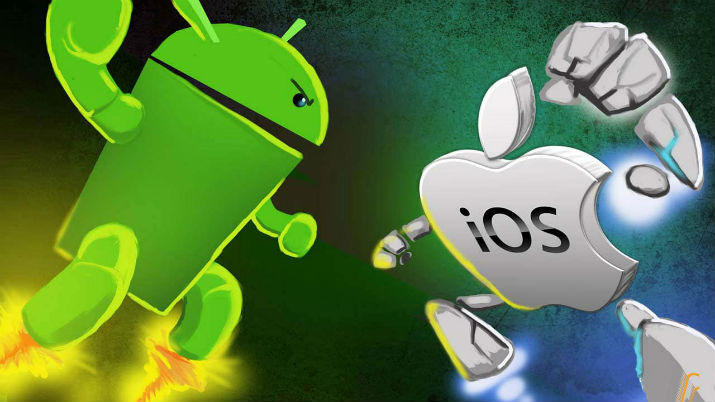
Android and iOS Market Overview
Android has a large global user base. This makes it an important platform for businesses that want to reach a wider audience.
Developers working on Android apps can reach users across a wide range of devices. This creates many opportunities for businesses and developers.
If you choose Android as your first platform to build your mobile application, you should first study your target audience. This step will help you understand their devices, needs, and preferences.
The Android platform also gives developers flexibility when building apps. You can create apps with different features and designs. However, you should collect the right information before starting development.
You may wonder how Apple stays successful with a smaller market share. One major reason is its pricing strategy. Apple targets users who are willing to pay more for premium devices and services.
iPhones are usually more expensive than mid-range Android phones. They are known for their speed, slim design, and strong security features. Android can match iOS in many areas, but the two platforms take different approaches to security.
Android uses an open-source model. This model gives developers more freedom and supports wider customization. However, it can also create additional security challenges. Google continues to fix bugs and improve Android security with regular updates.
Project Analysis
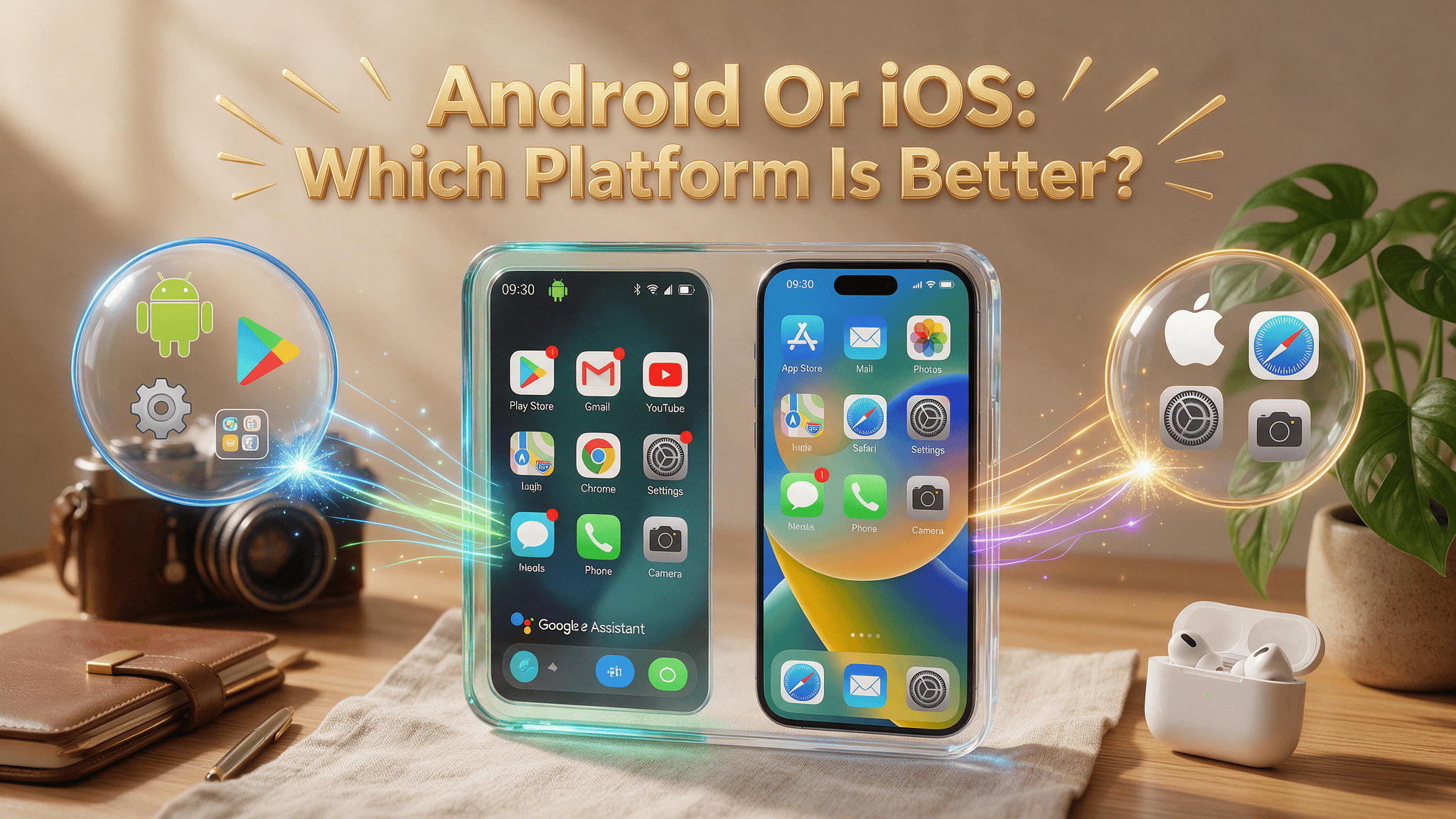
Business success depends on understanding your target audience. Most people use smartphones today, so both Android and iOS can support business applications.
A clear project analysis should be the first step before development begins. It helps you understand your business goals and user needs.
The project analysis phase usually covers:
- Target audience
- User-friendly UI
- App features
- Development requirements
- Revenue generation model
- Project timeline and budget
A detailed analysis helps you choose the right platform for your application.
Development Complexity
Mobile app development can become complex. Both Android and iPhone app development have their own technical requirements.
You should understand these requirements before starting development. This knowledge can help you select the right technology and development approach.
You should also research the platform, target audience, features, and development cost. This research can help you avoid problems during the development process.
iPhone App Development
iPhone app developers often work with users who spend more on mobile apps and premium services. iPhone users can also show strong interest in paid applications.
When you start developing an iPhone app, you need to learn the basic development process first. This knowledge creates a strong foundation for future projects.
You may wonder why some businesses choose iOS first. One reason is their target audience. Businesses often select iOS when their target users are more likely to use Apple devices and purchase premium apps.
iPhone app development can also work well for businesses with a focused audience. Startups may choose iOS when they want to launch an app for a specific market first.
Android App Development
Android has a large global user base. This makes it an important platform for businesses that want to reach a wider audience.
Android app developers work with a wide range of devices and users. This creates many opportunities for businesses and developers.
If you choose Android as your first platform to build your mobile application, you should first study your target audience. This step will help you understand their devices, needs, and preferences.
Android also gives developers flexibility when building apps. You can create apps with different features and designs. However, you should collect the right information before starting development.
Android vs iOS Security
Security is an important factor when choosing a mobile platform. Android and iOS use different security models and update systems.
Android gives developers more flexibility because of its open-source approach. However, device manufacturers and users can have different update schedules. This can affect how quickly users receive operating system updates.
iOS follows a more controlled ecosystem. Apple manages its hardware and software closely. This approach allows Apple to control many parts of the user experience and security process.
Businesses should review their security requirements before choosing a platform. They should also consider the type of data their application will handle.
Revenue Generation
Every mobile application needs a clear revenue plan. You may build an app for learning, business, entertainment, shopping, or another purpose. However, you should define your revenue goals before development begins.
App monetization can include several methods. These include paid downloads, in-app purchases, subscriptions, advertisements, and product sales.
Both Android and iOS support different monetization models. The right option depends on your audience and business model.
For example, a shopping application can generate revenue through product sales. A free app can use advertisements or in-app purchases to generate income.
You should study your target audience before selecting a monetization model. This approach can help you create a better business strategy for your mobile application.
Maintenance and Results
Mobile app development does not end after launch. You also need to maintain the application and provide regular updates.
Android and iOS users may use different operating system versions. Android also supports a wide range of devices. Developers must test their apps across different screen sizes, devices, and OS versions.
With iOS, developers work with a more controlled range of Apple devices. This can make testing and updates easier in some projects.
Regular maintenance helps keep your application secure and compatible with newer operating system versions. It can also improve performance and user experience.
Android vs iOS: Which Platform Should You Choose?
Both Android and iOS have their own strengths and development requirements. Your choice should depend on your target audience, budget, features, business model, and project goals.
Android can help businesses reach a broad range of users and devices. iOS can be useful when a business targets Apple users and premium app experiences.
Before you choose a platform, study your audience and business requirements. A clear development plan can help you select the right platform and build a successful mobile application.
You can also work with an experienced mobile app development company to plan, develop, test, and maintain your application.